Late on a damp Friday evening at a neighborhood sports ground in Gosnells, play picked up a really different factor. A man in his 50s had actually fallen down near the sideline. 2 individuals ran over. One looked for a response and breathing, the various other got hold of a phone and screamed for the AED. Within a min, chest compressions had actually started. By the time paramedics showed up, the man had obtained two shocks from the defibrillator and constant, solid compressions. He survived.
Encounters like this are not unusual. Many out‑of‑hospital cardiac arrests take place in daily areas, with family, coworkers, or colleagues nearby. In Australia, survival after out‑of‑hospital cardiac arrest is usually in the solitary figures to reduced teenagers, however when an onlooker begins CPR rapidly and an AED is made use of within mins, survival can increase severalfold. That is why first aid training in Gosnells is not simply a certificate, it is an area asset.
Why a couple of mins make the difference
Cardiac apprehension is an electric problem. The heart instantly quits pumping effectively, usually because the rhythm becomes disorderly. Without blood circulation, mind cells start to suffer within minutes. Every min without CPR and defibrillation minimizes the possibility of survival by roughly 7 to 10 percent. Those are not frighten methods, they are the numbers lots of rescue solutions and the Australian Resuscitation Council base their advice on.
Here is the confident component. Chest compressions reduce the clock. Great compressions flow a portion of typical blood circulation, which acquires time for the defibrillator and the paramedics. An AED can reset the heart if the rhythm is shockable, and that chance is highest possible early. So the goal is simple: recognise apprehension quick, call 000, begin compressions, and apply an AED as quickly as it appears.
Cardiac arrest is not a heart attack
The terms get muddled in discussion. A heart attack is a circulation problem in the heart muscle mass, generally a blocked artery. The individual is awake, typically in pain, sometimes nauseated or sweaty. Cardiac arrest is an abrupt failure of the heart to pump. The individual breaks down, quits breathing typically, and becomes unresponsive.
Because cardiac arrest can tip into arrest, think about them as 2 ends of a spectrum. If someone in Gosnells experiences chest discomfort or pressure that lasts greater than a couple of minutes, call 000 very early. If that very same person instantly quits responding and is not taking a breath generally, switch into apprehension mode without delay.
The distinct signs of heart arrest
- The person is less competent despite a firm shoulder squeeze and loud voice. There is no regular breathing. You may see gasping or snorting in the very first minutes. That is agonal breathing, not normal breathing. You can not feel normal signs of life. If you are trained, check for a carotid pulse for no more than 10 secs, yet do not postpone compressions if unsure. The collapse is sudden, occasionally come before by a brief seizure‑like shake.
If your mind is divided between perhaps and yes, act as if it is cardiac arrest. Beginning CPR on someone who still has a pulse is uncommon if you check for responsiveness and breathing correctly, and the threat of small bruising is much outweighed by the expense of waiting when the heart has currently stopped.
The CPR series that operates in genuine life
- Call 000, placed the phone on audio speaker, and send out a person for an AED. Start chest compressions in the center of the breast, 100 to 120 per min, depth about 5 to 6 centimeters in adults. Let the breast totally climb each time. After 30 compressions, provide two breaths if educated and equipped, with a head tilt and chin lift. If you can not or choose not to offer breaths, do continual compressions. Apply the AED as soon as it arrives. Turn it on, adhere to the triggers, maintain hands off during evaluation, deliver a shock if recommended, and reactivate compressions immediately. Rotate compressors every 2 minutes to avoid fatigue. Keep going up until the individual wakes, an AED says no more analysis is required and the individual is responsive, or paramedics take over.
Those steps align with Australian Resuscitation Council guidance that underpins CPR courses in Gosnells. The rhythm might not feel smooth in the beginning. That is typical. Great CPR has to do with consistency, not style. Count out loud, keep your shoulders over your hands, and utilize your body weight rather than simply your arms.
Using an AED with confidence in Gosnells
Automated outside defibrillators reside in more locations around Gosnells than most citizens realise. Recreation center, health clubs, schools, clubs, and many work environments maintain them in visible cupboards. Some are keypad locked to prevent burglary, with the code showed on the cabinet itself or offered by 000 when you call. St John WA keeps a public defibrillator map for Western Australia, which is worth a look during daylight as opposed to in the panic of an emergency.
An AED is designed for laypeople. Open the cover or press the power button. The gadget speaks in calmness, step‑by‑step audio. Expose the chest, peel the pads, and stick them where the representation shows, normally one listed below the ideal collarbone and the other on the left side of the upper body listed below the underarm. If the upper body is really sweaty, clean it quickly. If it is really hairy, utilize the supplied razor to clear pad‑sized areas. If there is a pacemaker lump, position the pad a few centimeters away from the device.
During analysis, keep hands off. If the device recommends a shock, make certain no one is touching the person. Say noisally, stand clear, and push the flashing button when prompted. Then jump straight back right into compressions. Modern AEDs will certainly reanalyse every 2 mins or so.
Do not be shy concerning using an AED. You can not make the scenario worse by applying it. If the heart is not in a shockable rhythm, the AED will not supply a shock. Defibrillators are incredibly secure when used as directed.
Adjusting method for children and infants
The concepts are the same, the hands change. For a kid from regarding one year to adolescence, press about one 3rd the breast deepness, approximately 5 cm, making use of 1 or 2 hands depending upon the size of the youngster and the rescuer. For an infant under one year, compress regarding one 3rd the upper body deepness, approximately 4 cm, with 2 fingers on the breastbone simply below the nipple area line, or the two‑thumb encircling strategy if there are 2 rescuers.
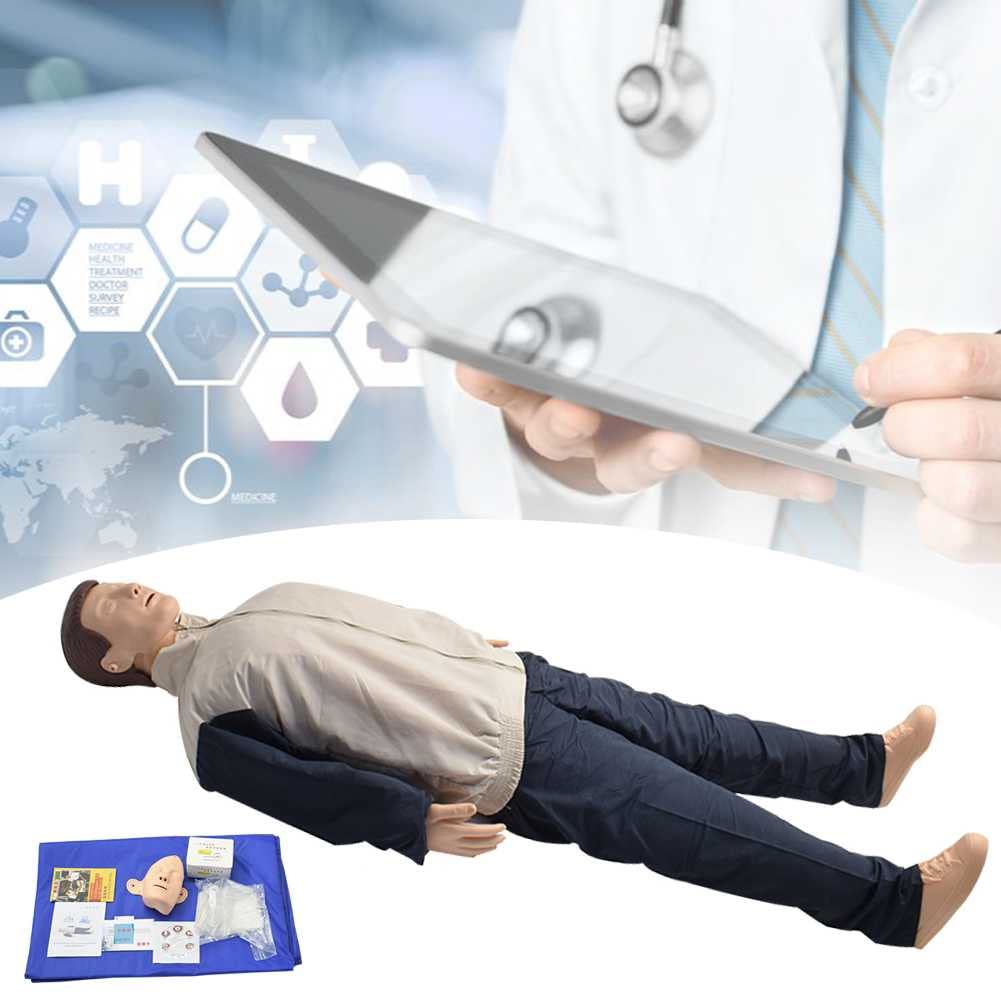
Breaths count a lot more in kids than grownups, since respiratory problems are a more usual reason for pediatric arrest. If you can aerate with an obstacle gadget, use the 30 compressions to 2 breaths ratio for single rescuers or 15 to 2 if there are 2 experienced rescuers. If you are alone, do concerning 2 mins of CPR before leaving to call 000, unless you can get in touch with speaker.
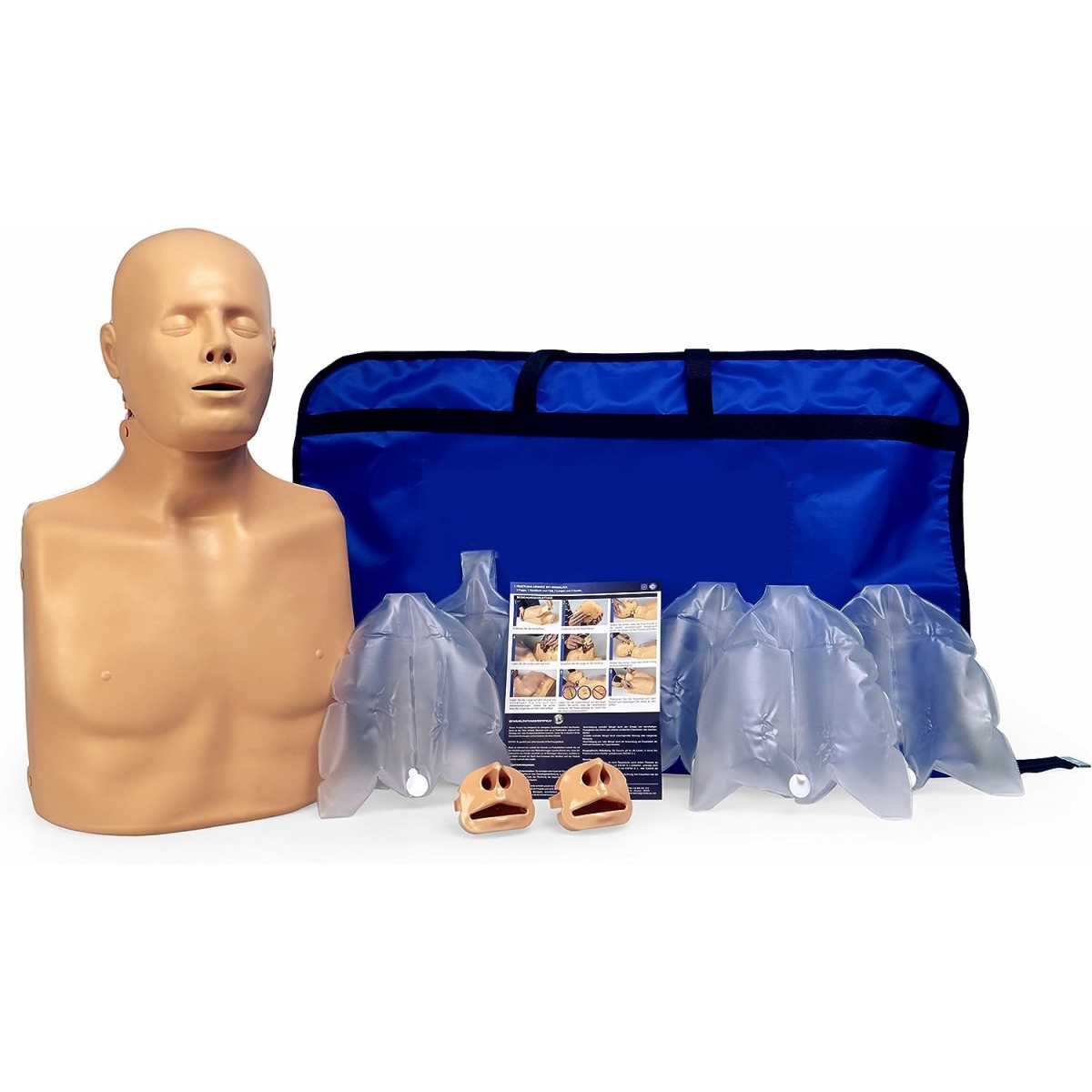
Most AED pads are developed for adults, however lots of AEDs have pediatric pads or a youngster mode. If pediatric pads are readily available, utilize them. Otherwise, use adult pads without delay, making sure they do not touch each various other. Saving time matters more than excellent pad size.
Drowning, trauma, and various other unique situations
Not all arrests start the exact same. In drowning, oxygen deprival is the key problem. As quickly as the person runs out the water and on a firm surface, begin with five initial rescue breaths if you are trained, after that proceed with compressions and breaths. Remove damp clothing only if it is hindering pad attachment, and completely dry quickly where the pads will go.
In significant trauma with extreme bleeding, control life‑threatening hemorrhage as very early as possible. If you see a tragic hemorrhage, use direct pressure or a tourniquet before or along with beginning compressions, due to the fact that unchecked bleeding will beat your efforts.
In maternity, put a towel or folded jacket under the female's ideal hip to turn her somewhat left. This reduces stress from the womb on the significant capillary that returns blood to the heart. If an AED is available, utilize it usually. Proceed CPR up until paramedics get here. In uncommon instances, advanced teams may do a resuscitative shipment on scene. Your function is to keep the blood moving.
With presumed opioid overdose, you may see slow-moving or lacking breathing and pinpoint students. If the individual is unresponsive and not breathing typically, begin CPR. If naloxone is readily available and you are educated to use it, provide it immediately while compressions continue. Even when opioids are the reason, upper body compressions and rescue breathing are still critical.
Pacemakers, implanted defibrillators, and breast augmentation do not alter whether you try resuscitation. Area pads near, out top of, devices or surgical scars when possible.
Teamwork on a path or manufacturing facility floor
Real emergencies are loud, jampacked, and unpleasant. Good groups create quick when a person takes ownership. A single person coordinates, appoints, and enjoys the clock. Another compresses. A 3rd handles the respiratory tract and breaths. A fourth operates the AED. If there are much more hands, they clear area, compete the defib, flag down the ambulance, or rotate in for compressions.
Fatigue ruins compressions. After concerning two minutes, even solid rescuers start to shed deepness and speed. Modification compressors at every AED evaluation or at clear time points. Utilize a metronome on a phone set to 110 beats per minute if rhythm wanders. I have actually seen this easy method raise the top quality of CPR immediately.
Speak plainly. Words like stop, shock, and first aid certificate gosnells swap require to be heard and recognized. Point to individuals when you assign tasks. Prevent concerns like can someone get the AED. Usage straight instructions like you in the blue tee shirt, AED from function, code is 0000, run.
Common errors and just how to avoid them
The initially is thinking twice as well long. If you can not discover typical breathing, begin compressions. The 2nd is shallow deepness. Aim for 5 to 6 centimeters on adults. That can feel deep. Trust the numbers. The 3rd is leaning on the upper body. Full recoil between compressions matters because it allows the heart refill. The fourth is quiting compressions for too long. Every time out reduces blood flow. Also during AED pad placement, try to keep compressions going until the tool advises you to stand clear.
There is also the human tendency to cluster in. Create space. Ask non‑essential people to step back. Setting on your own with straight arms and your shoulders over your hands. If you are smaller sized than the client, kneel close to the chest to let your weight job for you.
Finally, do not fail to remember security. Search for dangers like live electricity, traffic, or a gas leak. In Gosnells, roadside events are common enough that auto parking cars and trucks to protect the scene and making use of risk lights can protect against a secondary disaster.
Legal protection for onlookers in Western Australia
Many people worry about doing the incorrect thing. Western Australia has Do-gooder protections that protect individuals that provide help in an emergency, given they act in great belief and without gross negligence. You are not anticipated to perform like a paramedic. You are expected to attempt to help. If you call 000 and adhere to the driver's guidance, you are acting reasonably.
CPR, making use of an AED, regulating blood loss, and placing someone in the recuperation placement loss directly within the scope helpful that Good Samaritan regulations ponder. In training, we discuss these protections because they free your hands and mind when seconds count.
After the alarms: looking after the rescuer
Finishing a resuscitation attempt leaves a mark. You could really feel unstable for hours, level for days, or irritable at weird times. These are regular reactions to a high‑stakes event. Debrief with colleagues or family. If your work environment has a staff member support program, utilize it. St John WA and other solutions can direct you toward peer assistance if you require it.
If you made use of an AED from a public cupboard in Gosnells, return it promptly or allow the custodian understand so they can change pads and batteries. If the case happened at the workplace, document it precisely. Training providers typically welcome feedback or inquiries after real‑world events, and a brief follow‑up can turn a difficult memory right into learning.
What high‑quality CPR feels like when you are doing it right
Compressing at the correct deepness and price has an unique rhythm. You ought to really feel the sternum offer under your hands, after that return totally. Your elbows stay secured, your top body relocations as a system, and your knees take the stress. If you locate your hands approaching or down the upper body, reset to the center of the lower fifty percent of the sternum. If sweat or tiredness concessions your stance, swap out.
Breaths must just lift the breast, not inflate it like a balloon. Over‑ventilation can push air right into the tummy and create regurgitation. A pocket mask with a one‑way valve boosts safety and security and seal. If you do not have one, compressions‑only CPR still aids significantly in grownups. The evidence base for hands‑only CPR as a bridge to defibrillation is strong, especially in the initial minutes.
Bringing AED access closer to where individuals collapse
AEDs save lives when they are close. In Gosnells, it makes sense for area sports clubs, shopping areas, and offices with big foot web traffic to maintain a device on website. Mount them in visible locations, signpost plainly, and check regular monthly. If your group has a defib sitting in a secured workplace, that is functionally the like not having one after hours. Consider a cupboard with a distinct alarm system, brilliant signs, and a simple gain access to procedure so club members and onlookers can act quickly.
A little operational detail matters. Stick spare pad sets and a towel in the cupboard. Mark the area in a defibrillator computer system registry. Run a quick drill twice a year so individuals know which key cabinet to open and which door to prop during an emergency. These little actions shrink the time to first shock.
Training that turns intention right into skill
Courses are where you turn concept into muscle mass memory. In a gosnells first aid course you can practice compressions to a metronome, really feel the appropriate deepness on a comments mannequin, and fix the unpleasant bits that never ever show up in glossy layouts. First aid training Gosnells companies educate the DRSABCD technique, exactly how to take care of the airway, exactly how to utilize an AED cleanly, and just how to stay risk-free while doing it.
If you work with children, a first aid and CPR course Gosnells that covers pediatric variants will prolong your self-confidence into the play ground and the car park. first aid course near Gosnells For groups in construction, production, or hospitality, gosnells first aid training typically packages hemorrhaging control, burns, and crush injury administration along with CPR so the skills match the risks on site.
Providers like First Aid Pro Gosnells and various other local organisations run sessions during the week and on weekend breaks. A cpr course gosnells typically runs for a couple of hours, while a full first aid course in Gosnells can take a day, depending on the system of competency. Lots of offer mixed knowing, with online theory prior to a face‑to‑face practical. If you need a first aid certificate Gosnells for job compliance, check that the course fulfills nationwide standards which the certificate mentions the appropriate devices, such as HLTAID009 for CPR and HLTAID011 for Supply Very First Aid.
For individuals who completed training in 2014, a cpr correspondence course gosnells is worth scheduling. The Australian Resuscitation Council advises revitalizing CPR skills a minimum of every year because technique decomposes without method. First aid and CPR courses Gosnells frequently provide scenario‑based refresher courses that imitate the noise and pressure of genuine calls as opposed to simply duplicating textbook steps.
Choosing the right course for your purpose
Match the web content to the context. If your goal is home readiness and you intend to concentrate on arrest recognition, compressions, and AED usage, a targeted cpr training gosnells session may be enough. If you manage a team at a stockroom, take a look at first aid courses gosnells that include wound care, fractures, and ecological emergencies. For sports instructors, mixing CPR with concussion management and heat health problem makes sense.
Ask practical concerns prior to reserving. The number of individuals per mannequin. Does the fitness instructor usage feedback tools that show deepness and rate. Will you exercise with an AED instructor and do a minimum of 2 complete DRSABCD run‑throughs. Can the course be carried out onsite for your group each time that lines up with changes. Excellent gosnells first aid courses are hands‑on and realistic.
Building a culture where individuals tip forward
Equipment and certifications assist, however culture is what gets a person from the sideline to the person. Post the emergency number near every phone. Make sure function knows where the AED is and how to unlock it. During staff meetings in Gosnells workplaces, take 90 seconds to indicate the defib place. When a quarter, run a little tabletop drill: a theoretical collapse in the parking lot at 5.15 pm, that calls 000, that grabs the AED, where is the nearest access door.
Share stories. When an employee begins CPR at home on a member of the family, acknowledge it. These discussions tear down the barrier in between knowing and doing. They likewise advise people that heart attack is probably to happen where they live, not just on television.
Final thoughts, and an invite to practice
Recognising cardiac arrest and responding with CPR and an AED is a useful ability you can discover and maintain sharp. It is not regarding memorising a manuscript. It is about comprehending what matters in the first 3 to 5 minutes. If you live or work in your area, a first aid course in Gosnells includes self-confidence and ability to your road, club, or production line. Whether you pick a focused cpr gosnells session or a broader first aid and cpr gosnells program, you will certainly leave better prepared to act.
You will certainly never ever be sorry for beginning compressions early. You will certainly never be sorry for activating an AED. And you will certainly not be alone. The 000 call taker will certainly coach you via the actions, your team will certainly develop around you, and the skills you gained in gosnells first aid training will do the peaceful work they were designed to do.